Heated Surfaces4 min read
Heated Patios: Electric vs. Hydronic Snow Melting
Both systems can keep patios, walkways, and driveways clear. The right choice depends on area, existing equipment, utility costs, and how you plan to use it.
 Design inspiration
Heated Patios & Snow-Melting Systems
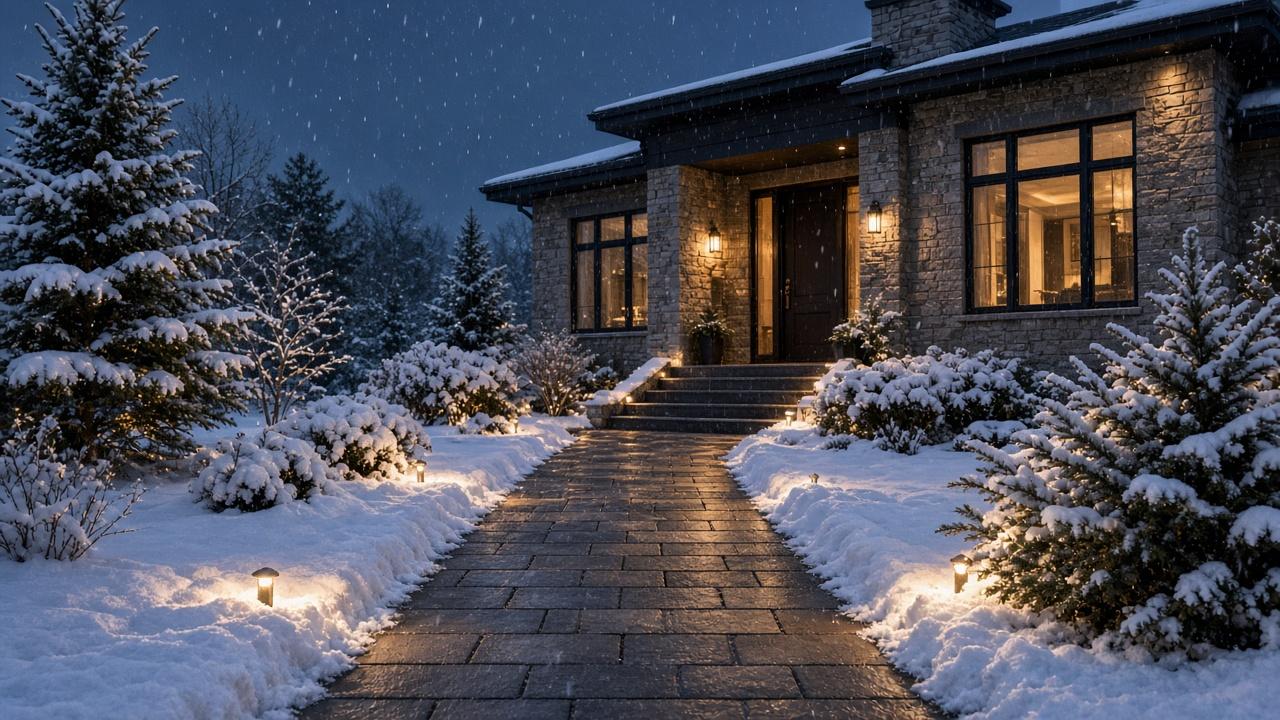
Integrated snow-melting systems keep patios, walkways, steps, and driveways clear, safer, and ready to use through the season. We design and coordinate electric and hydronic systems with automated snow and moisture sensing for hands-off operation.
Reduce slips on steps, entries, and walkways for family and guests.
Less manual clearing, and less de-icing salt on concrete and stone surfaces.
Snow and moisture sensors start the system when it's needed and stop it when it's not.
Keep a patio or hot tub path usable through the coldest months.
Design inspirationOverview
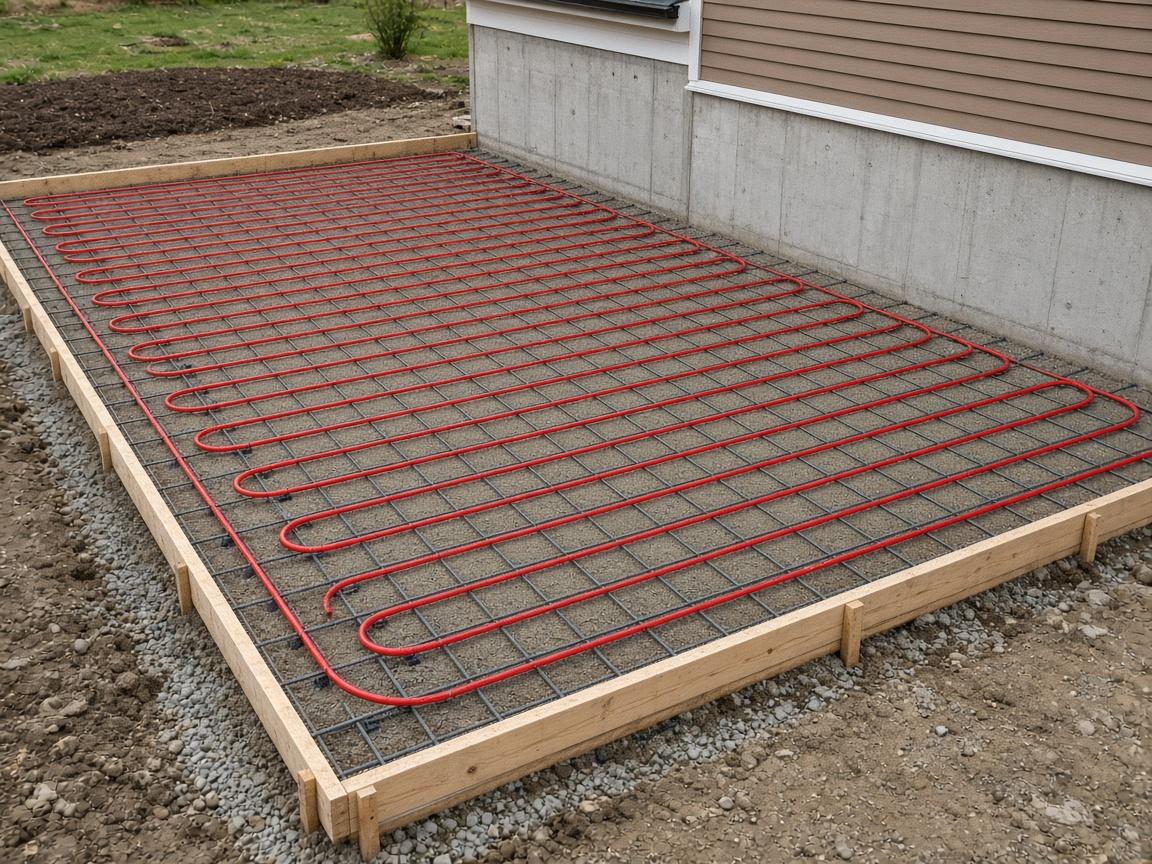
A snow-melting system places heating cables, mats, or fluid-filled tubing beneath the finished surface. When a sensor detects snow or freezing moisture, the system warms the surface just enough to melt it, then shuts off when conditions clear. The result is less shoveling, less ice, and less salt on your concrete and stone.
Snow melting is usually most valuable where safety and access matter most: front entries, steps, walkways from the driveway, and the paths you use every day. Some homeowners heat an entire patio or driveway; many choose targeted zones to balance comfort with installation and operating cost.
It's a serious system, not an accessory. Electrical capacity, boiler sizing, insulation, controls, and drainage all need to be designed together—and not every property is a good fit. We'll tell you plainly if a heated surface doesn't make sense for your home or budget.
Both approaches can clear snow effectively. The better choice depends on the size of the area, your existing mechanical equipment, utility rates, and long-term goals.
Read the full comparisonHeating cables or mats embedded in or beneath the surface.
A heated water-and-antifreeze solution circulated through tubing.
Concrete, pavers, or natural stone—the surface you see and walk on.
Electric cables or mats, or hydronic tubing, at the depth the system design calls for.
Rigid insulation can direct more heat upward instead of into the ground.
A stable, well-drained base—melted snow has to go somewhere.
Options
Keep the patio usable for grilling, hot tubs, or simply getting outside without shoveling first.
Clear, safer paths between the driveway, side door, and backyard.
Often the most valuable zone. Steps are where ice causes the most trouble.
Full driveways or just tire tracks, aprons, and steep sections where traction matters most.
Cables or tubing embedded within a new concrete slab during construction.
Systems installed in the bedding layer beneath pavers or natural stone, depending on the product and design.
Aerial snow sensors or in-slab sensors that detect moisture and temperature to start and stop the system automatically.
Controllers that manage idle temperature, run times, and manual boost, with remote control available on some systems.
Planning
A heated surface has to be designed as a complete system before construction begins. These are the questions we work through with you and the qualified trades involved.
Electric systems need dedicated circuits with appropriate ground-fault protection, and some homes need service or panel upgrades. Electrical work is performed by licensed electricians under the required permits.
Hydronic systems need a heat source sized for the area, plus pumps, manifolds, and a freeze-protected fluid. Mechanical work is performed by qualified heating professionals.
Melted snow must drain off and away. Without a plan, water can refreeze at the edge of the heated zone.
Snow melting is most straightforward during new construction. Some retrofits are possible with overlays or tear-out and replacement; we'll assess what makes sense for your existing surface.
Sensor placement, idle settings, and zoning affect both comfort and operating cost. We help you choose a control strategy that matches how you live.
Plan for periodic checks of sensors and controls, typically before winter. Hydronic systems also follow the service needs of the boiler and circulating components.
 Design inspiration
Rochester weather
Greater Rochester sees heavy, frequent snowfall and long stretches near freezing—exactly the conditions where automated snow melting earns its keep. Lake-effect bands can drop significant snow quickly, and cold, damp periods leave thin ice on steps and walks.
A system designed for this climate considers how fast it needs to clear snow, how cold it gets, wind exposure, and whether to hold surfaces at an idle temperature during storms. Those choices are a balance between performance and operating cost, and we'll walk through them with you.
Investment
Snow melting has two kinds of cost: what it takes to install and what it takes to run. Both depend heavily on the specifics of your property.
Sharing a budget range in the project planner helps us recommend a scope that fits.
Installation
We look at the areas you want heated, your electrical service or heating equipment, and drainage.
Electric or hydronic, zones, sensor strategy, and coordination with licensed trades.
A clear scope covering surfaces, heating components, controls, and required permits.
Base preparation, insulation where specified, and installation of cables or tubing.
Heating elements are tested before and after they're covered, per manufacturer guidance.
Final surface, controls connected and commissioned, and a walkthrough of how to operate it.
Heating cables, mats, or hydronic tubing are installed beneath the surface. A sensor detects snow or freezing moisture and turns the system on; it warms the surface enough to melt snow and ice, then shuts off when conditions clear.
Electric is often a good fit for patios, walkways, and steps, with a simpler installation. Hydronic tends to suit larger areas such as long driveways, especially when a suitable heat source is planned. We compare both for your specific property.
Sometimes. Depending on the surface, a retrofit may involve an overlay or removing and rebuilding the surface. New construction is the most straightforward time to add it.
It depends on the heated area, system type, utility rates, how the controls are set, and how much it snows in a given season. During design, we help you understand the factors so you can make an informed decision.
Systems are designed to be low-maintenance, but sensors and controls should be checked periodically, typically before winter. Hydronic systems also need the routine service of their boiler and pumps.
No. Electrical capacity, the existing surface, drainage, budget, and how you use the space all matter. We'll tell you honestly if a heated surface isn't the right fit.
Planning guides
Heated Surfaces4 min read
Both systems can keep patios, walkways, and driveways clear. The right choice depends on area, existing equipment, utility costs, and how you plan to use it.
Heated Surfaces3 min read
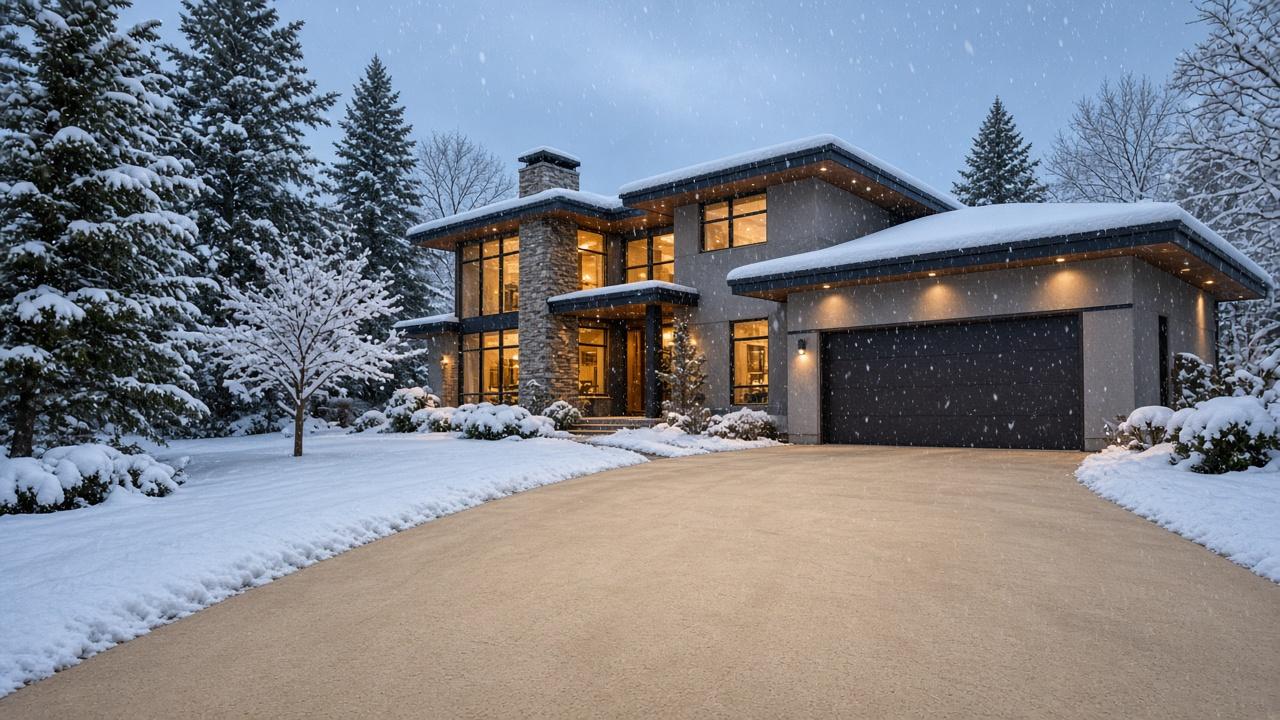
From the heating elements to the sensors that decide when to run, here's what's actually happening beneath a heated driveway or walkway.
Construction3 min read
Cold-weather concrete is possible with the right precautions, but it isn't the default. Here's what changes in winter—and why it's the ideal time to plan.

Heated Patios
Tell us which areas you'd like to keep clear, and we'll help you understand what's involved for your property.
Get Project Guidance