Structures
What to Consider Before Installing a Motorized Pergola
Louvered pergolas are beautiful and versatile, but they're structures with real engineering and electrical needs. Here's what to evaluate before you buy.
By Patio North · · 3 min read
 Design inspiration
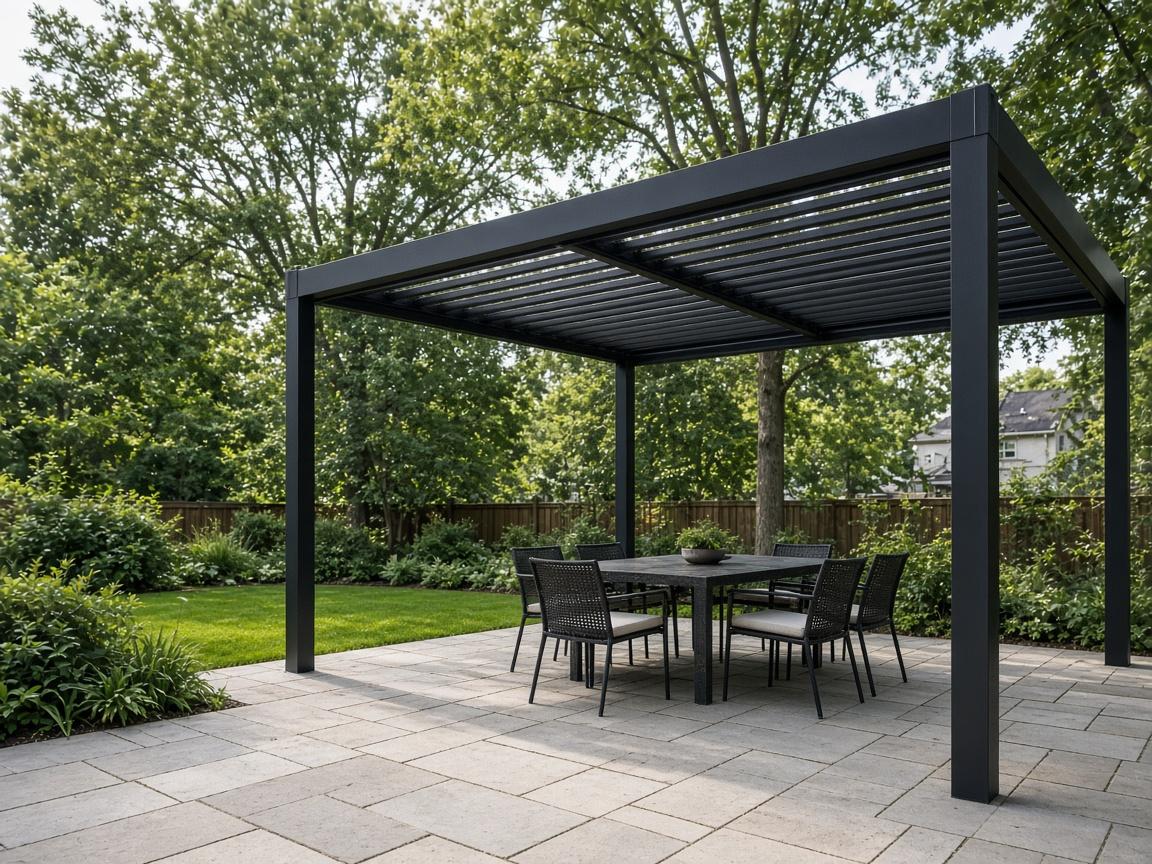
A motorized louvered pergola is one of the most transformative additions to a patio. With the press of a button, adjustable aluminum louvers open for sun, angle for filtered shade, or close to shed rain. Add lighting, heaters, and screens, and the patio becomes an outdoor room.
They're also structures with real engineering, electrical, and maintenance considerations, especially in Western New York. Here's what to evaluate before you buy.
1. Snow-load suitability
This is the most important consideration in our region. Snow accumulates, drifts against houses, and can be heavy and wet. Pergola manufacturers publish load ratings that vary by model, span, and configuration.
Ask:
- Is the system rated for snow loads appropriate for the installation location?
- How do span and post spacing affect the rating?
- Does the manufacturer specify whether louvers should be open or closed during snow?
- Is engineering required for the permit in your municipality?
A system that's perfect for a mild climate may not be the right choice here, or may need a different configuration.
2. Footings and the existing patio
Posts carry the structure's weight plus snow and wind loads, and they need to be anchored properly. Some installations use separate footings beneath the posts; others anchor to a slab that's been evaluated for the load. An existing patio may or may not be suitable, depending on thickness, reinforcement, and the soil below.
If you're building a new patio, plan the pergola at the same time. Footings and conduit placed during construction keep everything clean and avoid cutting into finished concrete.
3. Freestanding or house-attached
Attached pergolas connect to the house wall. That can look integrated, but it requires evaluating the wall structure, flashing, and the roof edge, and it can interact with gutters and snow sliding off the roof.
Freestanding pergolas have their own posts on all sides. They avoid house-attachment issues and can be positioned slightly away from the wall to keep doors and roof drainage clear.
4. Water management
When louvers close, rain is typically channeled into integrated gutters and down through the posts. That water has to go somewhere: onto the patio, into a drain, or away from the structure. Plan where downspouts discharge so you don't create ice patches in winter.
5. Winter operation
Motorized louvers have moving parts. Manufacturers provide guidance on operating louvers in snow and ice, and some systems include sensors that respond to rain or wind. Understand the winter guidance for the specific system you're considering, including whether to leave louvers open or closed and how to handle ice.
6. Wind exposure
Open, elevated, or lakeside properties can see strong winds. Wind ratings, anchoring, and the use of screens all factor into the design. Screens add wind load when lowered, so they come with their own operating guidance.
7. Electrical planning
Motors, lighting, heaters, fans, and screens all need power. Plan:
- Circuit capacity, especially if adding infrared heaters
- Conduit routes from the house, ideally installed before the patio is finished
- Controls: remotes, wall switches, or smart integrations
Electrical work should be performed by a licensed electrician with required permits.
8. Features worth considering
- Integrated LED lighting for evening use
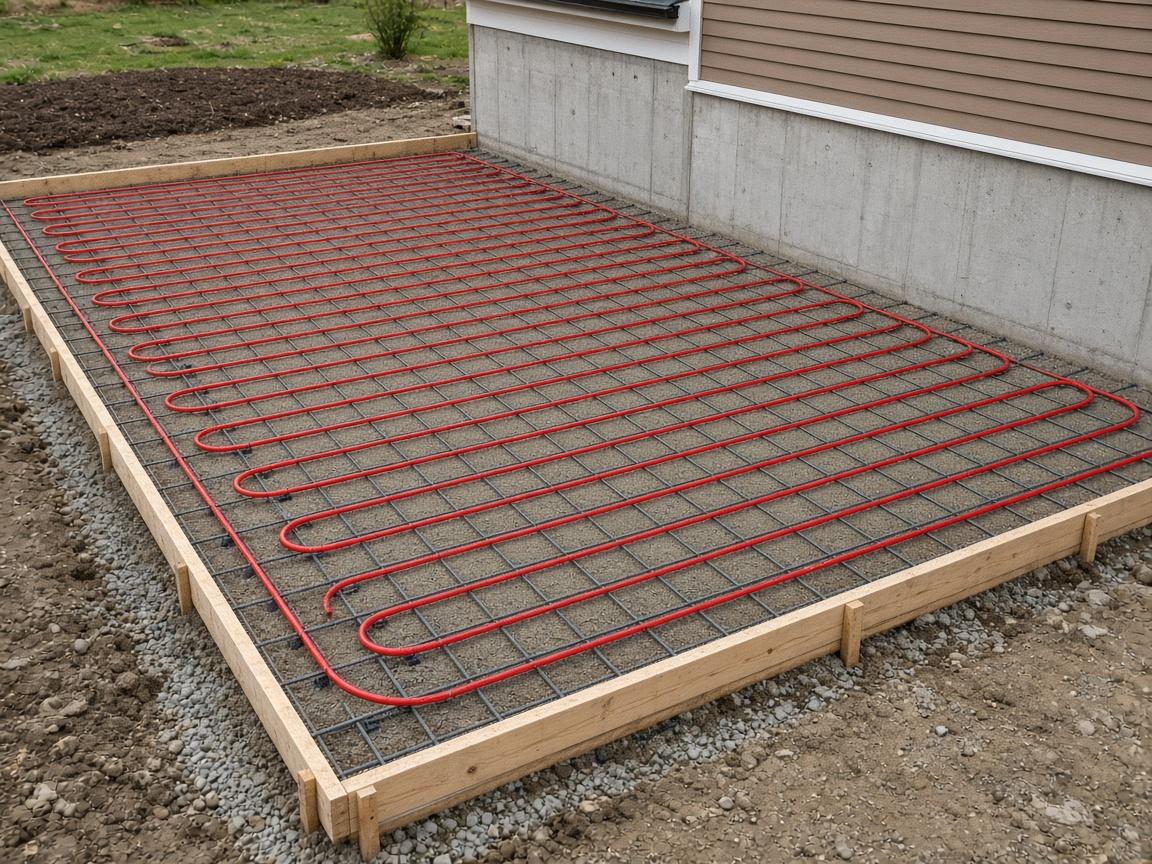
- Infrared heaters to extend the season. These warm people, not surfaces. For clearing snow, see heated patios.
- Fans for still, humid evenings
- Motorized screens for privacy, wind, low sun, and insects
- Rain and wind sensors for automated response
9. Permits and setbacks
Many municipalities require permits for pergolas, and property-line setbacks apply. Some areas have design review for exterior changes, and HOAs may have their own requirements. Check early, because approvals can affect your schedule.
10. Maintenance
Powder-coated aluminum is low-maintenance, but plan for periodic cleaning of louvers and gutters, clearing debris, and checking motors and seals. Follow the manufacturer's maintenance guidance to keep warranties valid.
The bottom line
A motorized pergola can be one of the best investments in an outdoor space. To make it a good one in Western New York, choose a system suited to our snow and wind, plan footings and electrical with the patio, manage water carefully, and understand winter operation before you buy.
For more on structures and features, see pergolas and patio covers, or explore how a pergola fits into a complete outdoor living space.
Plan a pergola that fits your home and climate.
Tell us about your patio and how you want to use it, and we'll help you compare systems.
Plan Your Project