Materials
Stamped Concrete vs. Pavers: Which Is Better for Western New York?
Both can look beautiful and last for years in our climate. The better choice depends on the look you want, how you handle repairs, and how much maintenance you'll do.
By Patio North · · 3 min read
 Design inspiration
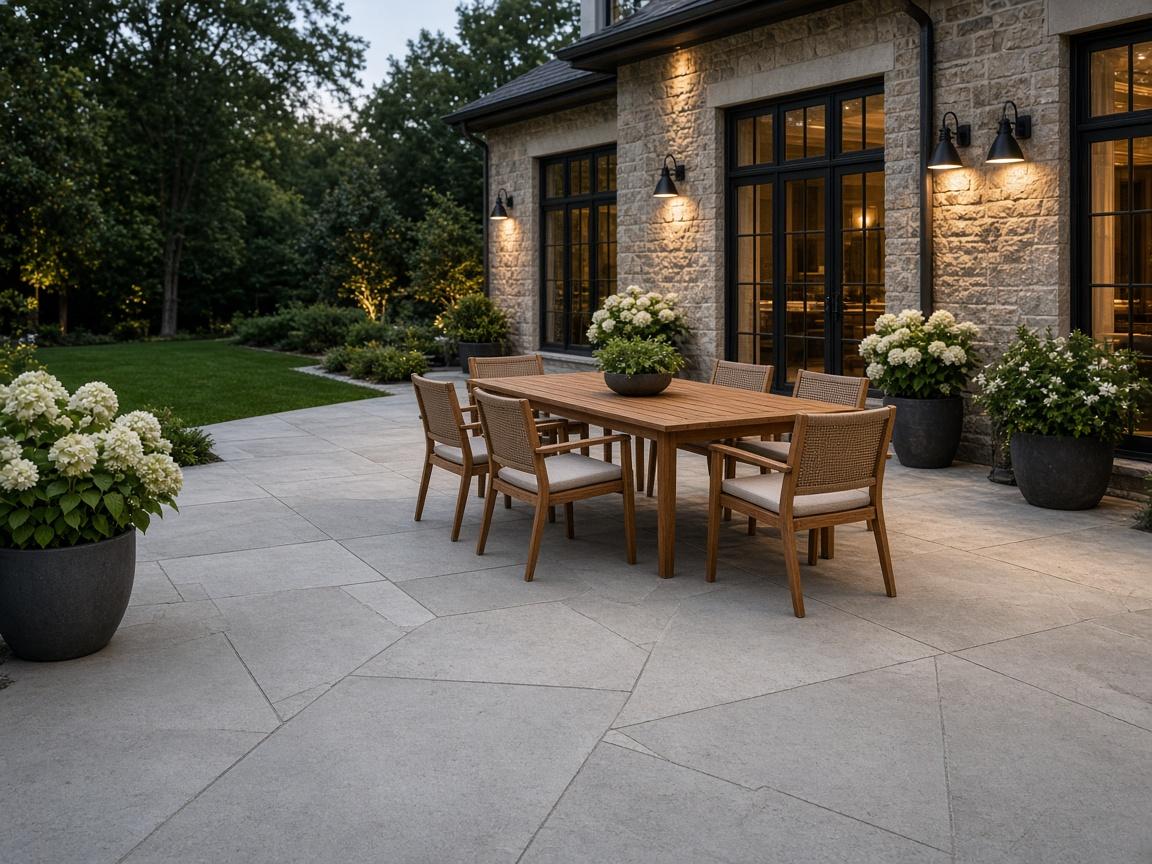
Stamped concrete and concrete pavers are two of the most popular choices for patios in Western New York. Both can be beautiful, both can last, and both can fail if they're installed poorly. The question isn't which is better in general, but which is better for your home, your budget, and how you'll live with it.
The basic difference
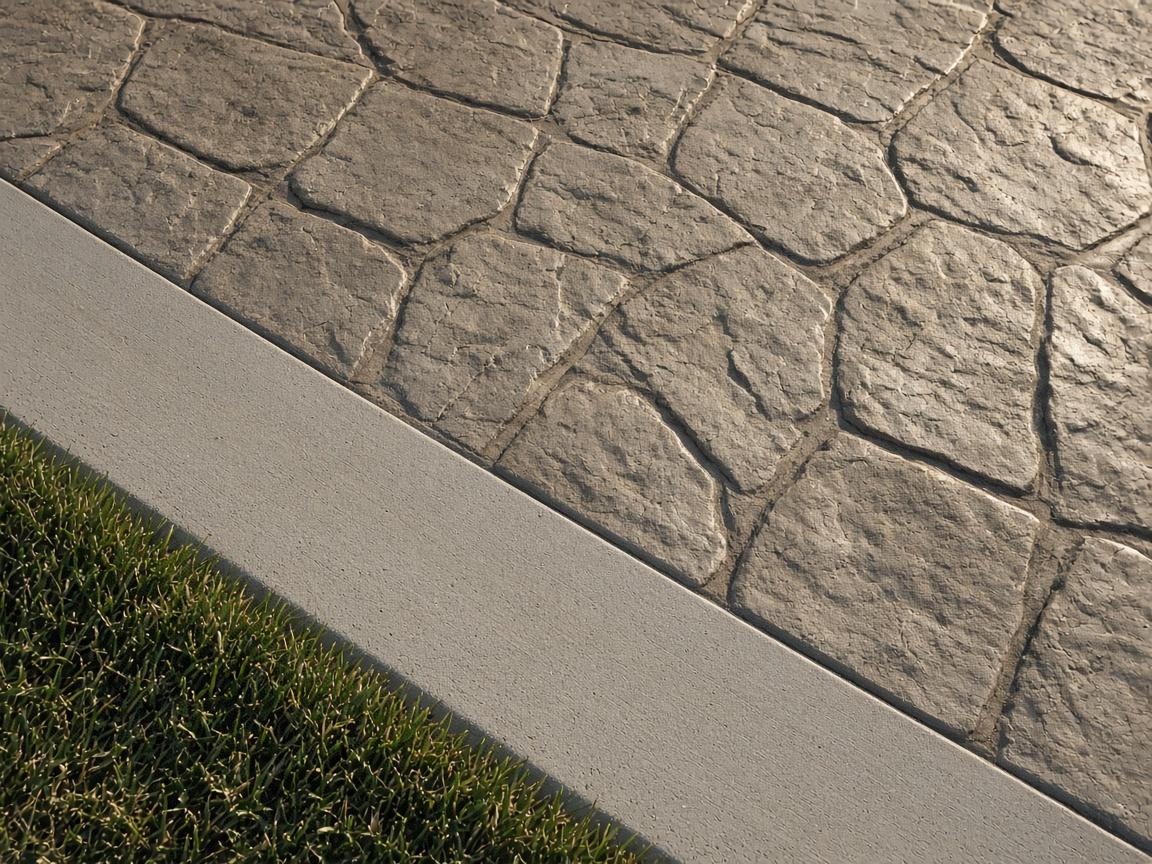
Stamped concrete is a continuous concrete slab that's colored and textured while it's still workable to resemble stone, slate, brick, or wood. It's then sealed.
Pavers are individual manufactured units, usually concrete, laid over a compacted base and bedding layer, with joints filled with sand or polymeric sand and held in place by edge restraints.
Appearance
Stamped concrete offers a seamless look with a wide range of patterns and colors. It can convincingly suggest natural stone at a distance and works well for large, uninterrupted surfaces.
Pavers have a crisp, modular look with real joints and real dimensions. Large-format pavers can feel very contemporary; tumbled pavers feel more traditional. Borders and patterns are easy to create.
Neither is more "premium" by default. Matching the material to the architecture of the house matters more than the material itself.
Freeze–thaw performance
Western New York's freeze–thaw cycles are tough on any exterior surface.
Stamped concrete relies on a proper base, a mix designed for exterior freeze–thaw exposure, well-placed control joints, and a maintained sealer. Like all concrete, it will develop cracks; good joint planning aims to make those cracks happen along intentional lines. De-icing salts can damage concrete surfaces, especially in the first winter.
Pavers are flexible as a system. Individual units can move slightly without cracking the entire surface, though a poorly prepared base can lead to settling or heaving. Manufactured pavers are dense, and many are made to resist freeze–thaw damage.
In both cases, the base and drainage do most of the work. Read more about patio drainage problems.
Repairs
This is one of the clearest differences.
- Pavers: If an area settles or a utility needs to be accessed, pavers can be lifted, the base corrected, and the same pavers reinstalled. Individual damaged units can be replaced, ideally with spares saved from the original installation.
- Stamped concrete: Repairs are harder to make invisible. Cracks can be addressed, but matching color and texture in a patch is difficult.
Maintenance
Stamped concrete generally needs periodic cleaning and resealing to protect the color and surface. How often depends on the sealer, sun exposure, and traffic.
Pavers may need periodic joint sand replenishment, weed control in joints, and optional sealing. Polymeric sand can reduce joint washout and weeds.
Snow removal
Both can be shoveled and snow-blown with care. On pavers, a blade can catch an uneven edge; on stamped concrete, metal blades can scratch the sealer. Many homeowners use plastic-edged shovels or adjustable skid shoes on snow blowers.
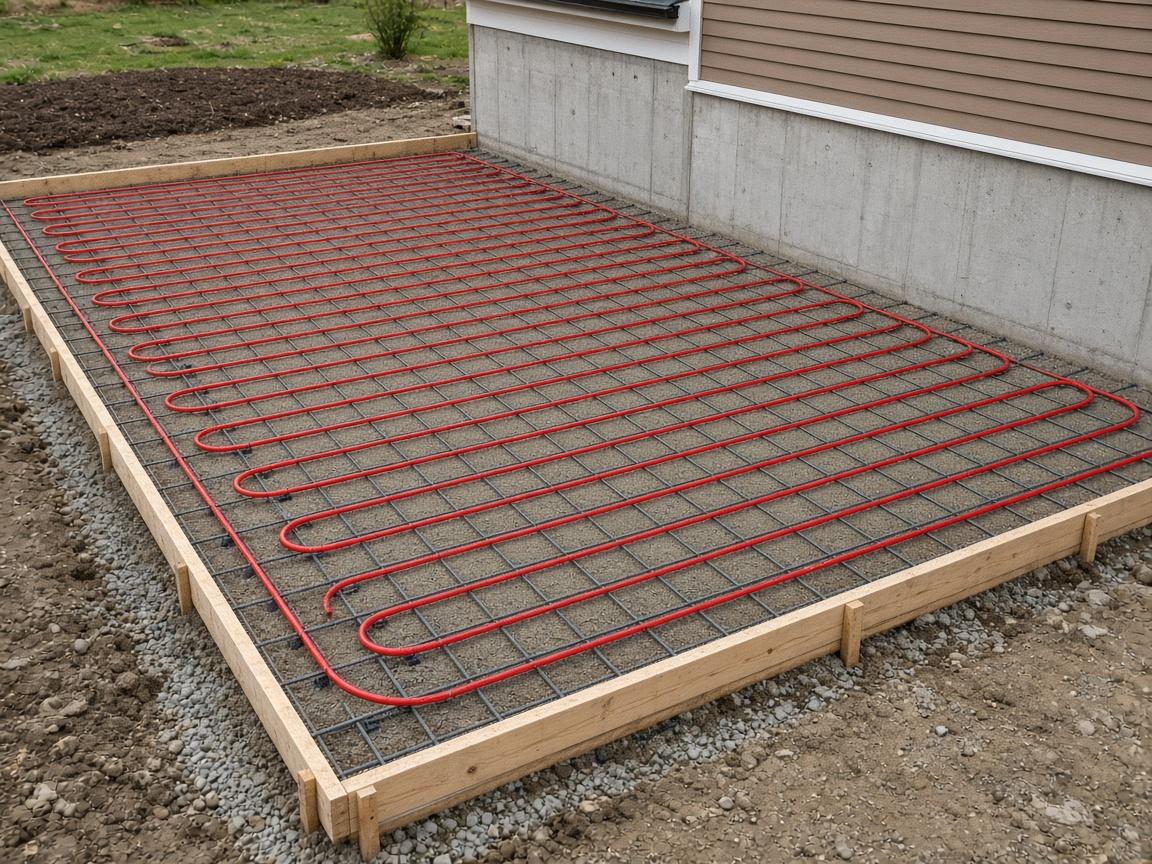
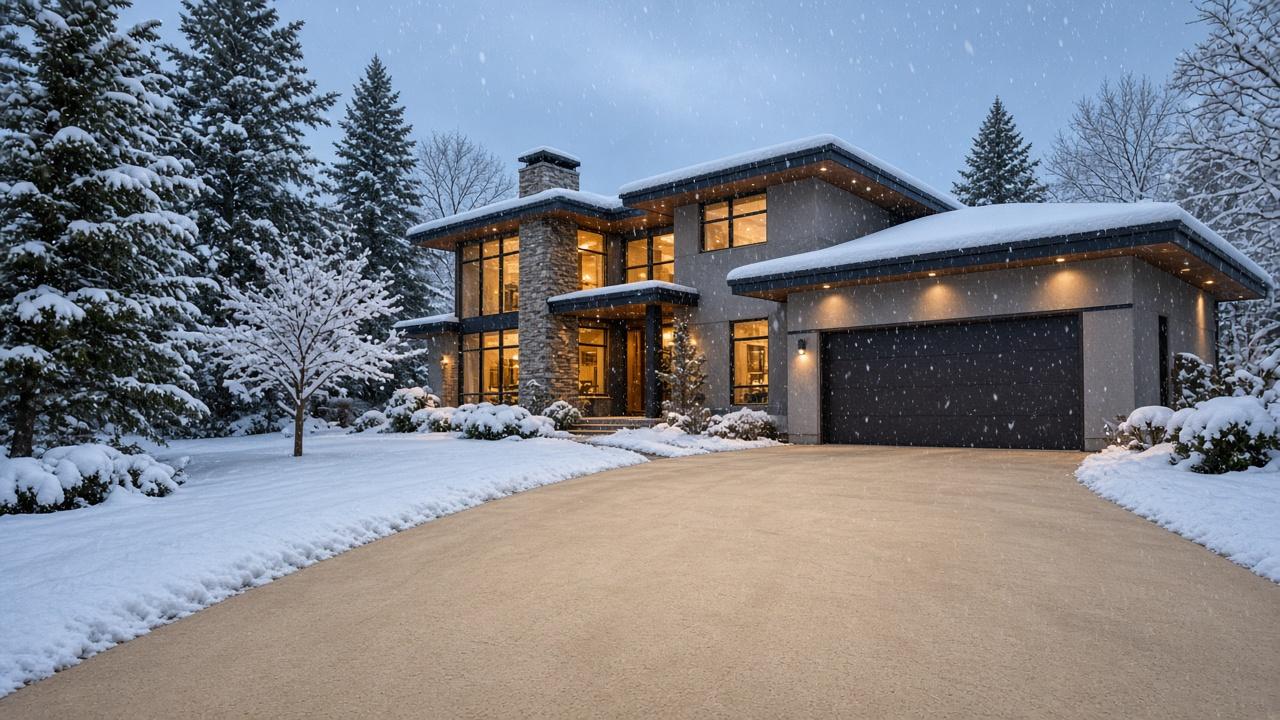
Both surfaces can also be heated. Snow-melting cables or tubing can be embedded in concrete or installed beneath pavers, depending on the system. If you're considering it, see electric vs. hydronic snow melting.
Cost factors
We avoid quoting generic numbers because local conditions vary so much, but the cost drivers differ:
- Stamped concrete cost is shaped by pattern complexity, color, number of colors, and sealing.
- Paver cost is shaped by the paver product, pattern, cuts, borders, and edge restraint.
- Both depend heavily on base preparation, access, demolition, drainage, and steps or walls.
For more detail, see how much a concrete patio costs in Rochester.
A quick summary
| Stamped concrete | Pavers | |
|---|---|---|
| Look | Seamless, wide pattern range | Modular, crisp joints |
| Cracking | Expected; controlled with joints | Units move independently |
| Repairs | Hard to make invisible | Lift and reset |
| Routine care | Cleaning and periodic resealing | Joint sand, weed control, optional sealing |
| Heated option | Yes, embedded in slab | Yes, beneath pavers, depending on system |
How to decide
Choose stamped concrete if you love a continuous surface, want a specific stone or slate look across a large area, and are comfortable resealing periodically.
Choose pavers if you value easy repairs and access, like the crisp look of real joints, or want flexibility to change or extend the patio later.
Consider natural stone if the architecture calls for it and the budget allows. Stone selection should account for freeze–thaw durability.
Whatever you choose, ask how the base, drainage, and edges will be built. Those details decide how either material performs after a decade of Rochester winters.
Compare materials for your patio.
We'll walk you through samples and tradeoffs for your home, without pushing one answer.
Discuss Your Patio